

Powering Up: Understanding EV Charging Options in Singapore
November 25, 2025 12:31 pmKey Takeaways
- Singapore’s EV landscape is rapidly expanding, with more charging points and faster technologies making electric driving increasingly practical for both individuals and businesses.
- Home charging remains the most convenient solution for those with private parking, while public stations in malls and offices provide flexibility for city driving.
- Understanding charging speed, connector types, and costs helps drivers plan efficient routines and enjoy long-term savings compared to petrol-powered vehicles.
- Leasing electric vehicles offers flexibility and assurance, ensuring compatibility with Singapore’s charging infrastructure while reducing the financial commitment of ownership.
Introduction
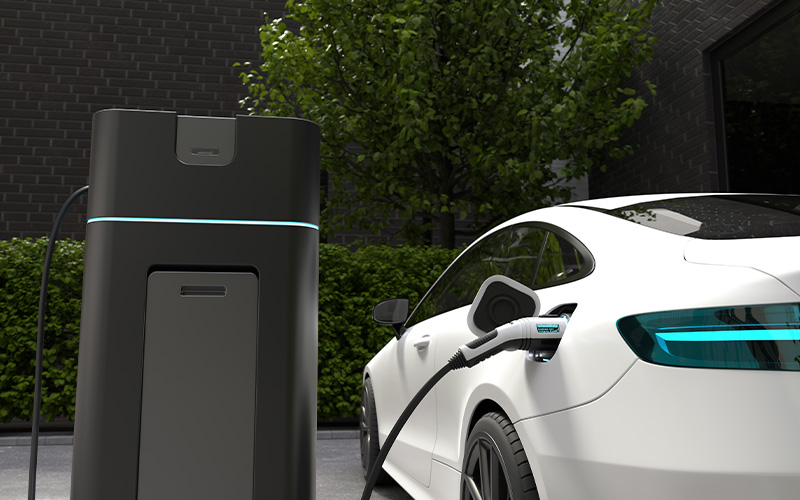
As Singapore moves towards a greener transport ecosystem, electric vehicles (EVs) are becoming increasingly popular among both individuals and businesses. Whether you’re a first-time EV driver or exploring fleet electrification, one key question remains: where can you charge your vehicle, and what should you know about how to charge an electric car in Singapore?
Thankfully, with government incentives, expanding charging networks, and greater vehicle compatibility, charging an EV today is more convenient than ever. This guide explores the different charging options, costs, and factors to consider when making the shift to sustainable mobility.
Types of EV Charging in Singapore

Singapore’s EV charging solutions can be grouped according to where and how you charge your vehicle:
1. Home Charging Units
The most convenient way to charge an electric car in Singapore is through a home wall charger, as it offers a simple and reliable method for daily use. These units, typically installed in private residences or condominiums with dedicated parking, let you charge overnight. This ensures that your vehicle is fully powered and ready every morning, utilising efficient alternating current (AC) charging for daily driving needs.
2. Public Charging Stations
For drivers without access to home charging, public charging stations are available in shopping malls, office complexes, and car parks across Singapore. The electric car charging infrastructure is expanding rapidly, offering both standard AC (Alternating Current) and fast DC (Direct Current) chargers in convenient locations. This widespread availability allows drivers to easily recharge their vehicles while running errands or during work hours.
3. Fast vs. Standard Charging
Understanding charging speed is crucial for efficient planning of how and when to charge your EV. DC fast chargers offer a rapid solution, being able to recharge an EV up to 80% in under an hour, while AC chargers are better suited for slower, overnight charging. The EV charging network in Singapore primarily uses Type 2 (Alternating Current, or AC) and CCS2 (Combined Charging System 2, a Direct Current or DC standard) connectors, which ensure compatibility with most models, making it easy for drivers to plug in at various charging points across the island.
Cost of EV Charging
Another important factor to understand when learning how to charge an electric car in Singapore is the cost involved. Generally, electricity is cheaper than petrol, which translates into long-term savings for EV owners.
Home Charging Costs
When it comes to home charging, off-peak hours tend to offer the best rates only if you are on a time-of-use (TOU) electricity plan. This means your electricity costs vary depending on when you use power, allowing you to charge your EV more affordably during low-demand periods. Installing a dedicated wall charger at home allows you to monitor energy use more efficiently and take advantage of time-based pricing. Although there is an initial installation expense, long-term savings from lower electricity rates make home charging one of the most cost-effective options for regular EV drivers.
Public Charging Costs
Rates fluctuate based on the operator and charger type. While DC chargers have a higher cost per kilowatt-hour (kWh), they significantly reduce charging time, making them a highly convenient option for busy drivers.
For businesses, integrating electric vehicles into their operations through a company car lease can help manage expenses more efficiently. Predictable charging rates and lower maintenance needs make EVs a cost-effective solution for fleets that frequently
How to Get Started with EV Charging
Once you’ve decided to go electric, getting started is simple. Just follow these four steps:
1. Assess Your Parking Setup
Before installing a home charger, check if your residence or workplace supports the necessary infrastructure. Some condominiums and offices now feature EV-ready parking, but it’s always best to confirm the electrical capacity and obtain approval from the building management before installation.
2. Download Provider Apps
Use dedicated platforms like SP Group, Shell Recharge, and Charge+ to help locate stations and manage payments. These apps also show real-time charger availability, track usage history, and may offer reward programmes for frequent users.
3. Locate a Station
Make use of real-time maps to locate nearby chargers that are compatible with your specific EV model. Most apps allow you to filter by charger type or speed, helping you plan your trips more efficiently and minimising unnecessary wait times.
4. Start Charging
Once at a station, simply plug in, follow the app’s prompts, and monitor the charging progress directly from your phone. Many public chargers will automatically stop charging once your vehicle reaches full capacity, ensuring a safe and energy-efficient process.
Knowing how to charge an electric car in Singapore efficiently ensures you make the most of both convenience and savings.
Integrating EVs with FASST Leasing

Transitioning to electric mobility with FASST Leasing doesn’t have to be complicated. Every EV in the company’s fleet is fully compatible with Singapore’s charging networks, making it easy for drivers to charge at home or on the go.
For those exploring car leasing in Singapore, FASST Leasing streamlines the shift to electric driving through tailored packages, setup guidance, and vehicle compatibility support. Businesses can also leverage flexible lease-to-own car options to build sustainable fleets with minimal financial risk. This integrated approach ensures every driver enjoys a seamless and future-ready EV experience.
Conclusion
As infrastructure grows and technology advances, learning how to charge an electric car in Singapore is no longer a challenge. Instead, the focus shifts to choosing what best fits your lifestyle. From the comfort and convenience of home charging to the speed of DC fast-charging stations, drivers now have multiple ways to efficiently power their journeys.
With FASST Leasing (Sime Darby Services Pte Ltd), you can enjoy the ease of driving an electric vehicle that’s fully compatible with Singapore’s charging network, further supported by flexible leasing options, expert guidance, and energy-efficient models.
Ready to make the switch to smarter, more sustainable driving? Contact FASST Leasing today to explore the best EV leasing solutions catering to your lifestyle or business needs.